






 0 comments
In what may redefine the future of education in southern Africa, Malawi’s President has announced that starting January 2026, education from primary to secondary school levels will be free.
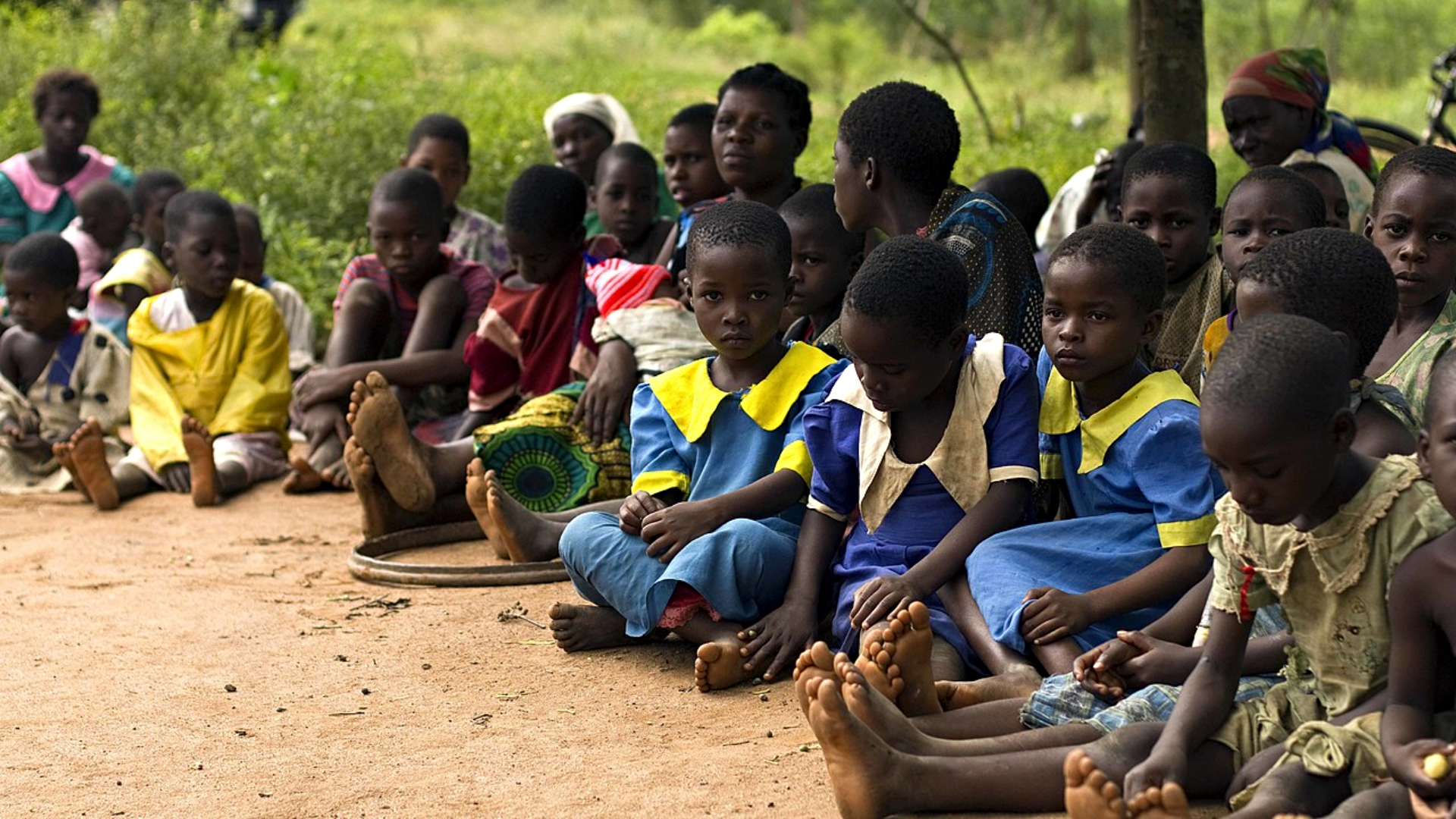
According to the President’s spokesperson Shadric Namalomba, the new policy covers examination fees, identity cards, and school development funds at both primary and secondary level. At present, UNICEF says Malawi has less than 50% of children completing secondary school, and the dropout rate continues to soar among girls.
While free primary education was introduced in Malawi back in 1994, quality and continuation into secondary schooling remained unattainable for most people. Most girls drop out of school because of child marriage and teen pregnancy; the child marriage rate stands at 50%, teenage pregnancy at 29%, and 20% of the girls are sexually abused before the age of 18.
On the promising change, president Peter Mutharika said: ‘The reform aims at removing financial barriers that keep children away from school and ensuring every Malawian child, whether from the city or the village, gets an equal shot at a brighter future.’
The move may reshape the country’s social and economic trajectory. According to the World Bank study, every extra year of schooling could raise future income by up to 10%. For a developing nation like Malawi, investing in education has immense benefits; higher employment, reduced child marriage, and stronger civic participation.
Still, experts caution the promise of free education has to be complemented with investment in infrastructure, teacher training, and learning materials. Malawi’s classrooms are already overcrowded, while some rural schools host over 100 students per class. The teacher to student ratio is a major problem that affects most schools during free education policies in many African nations.